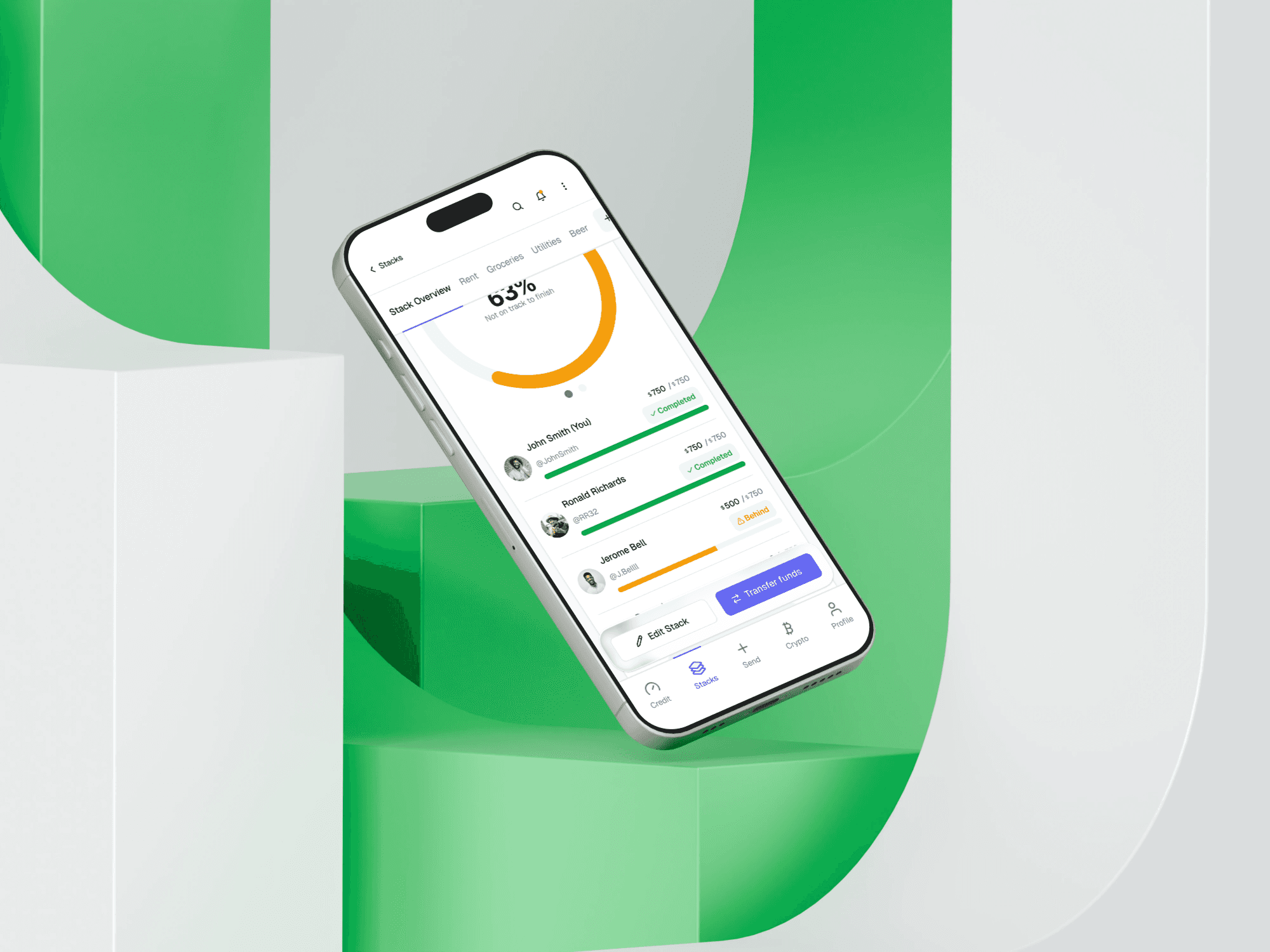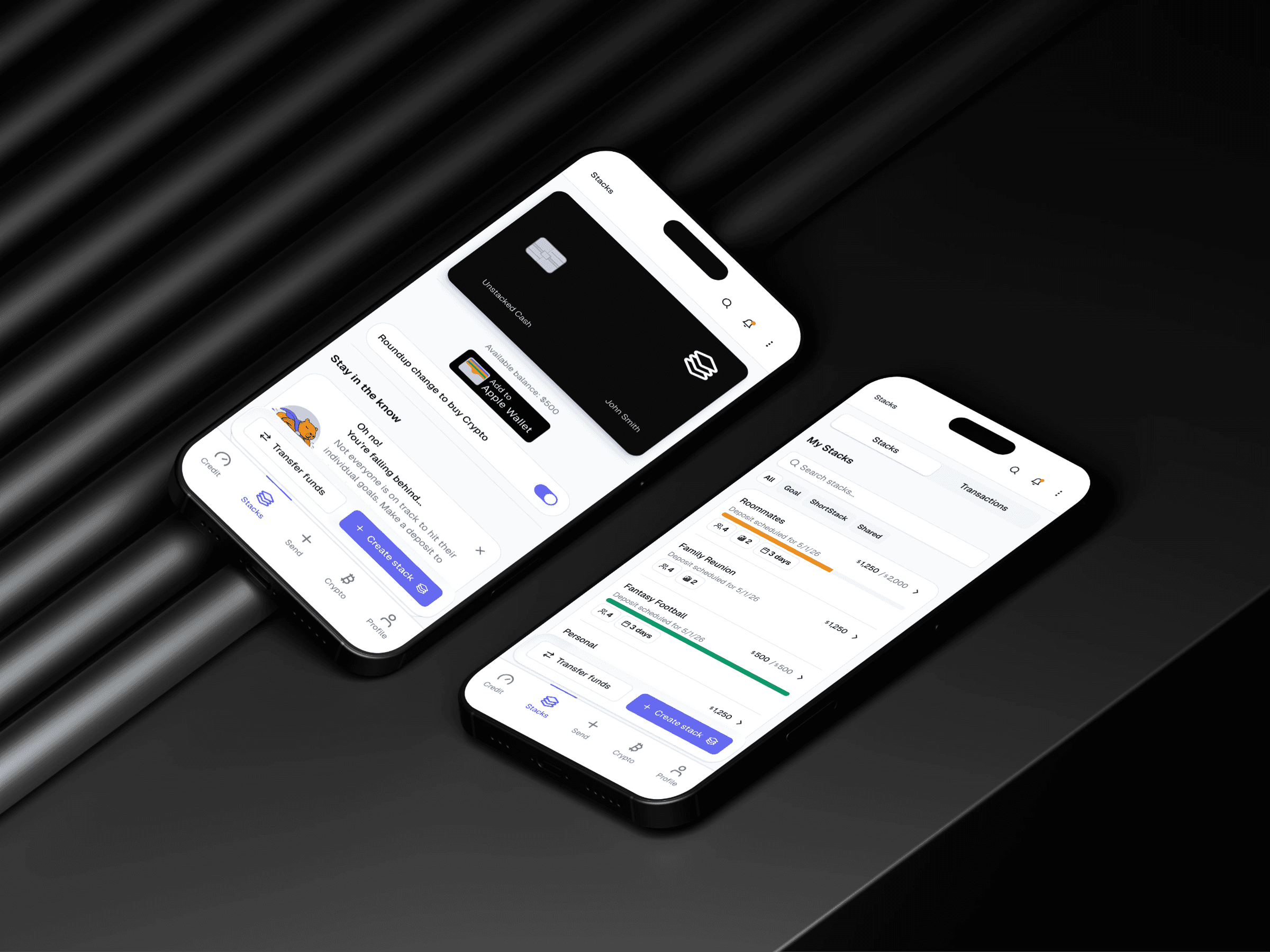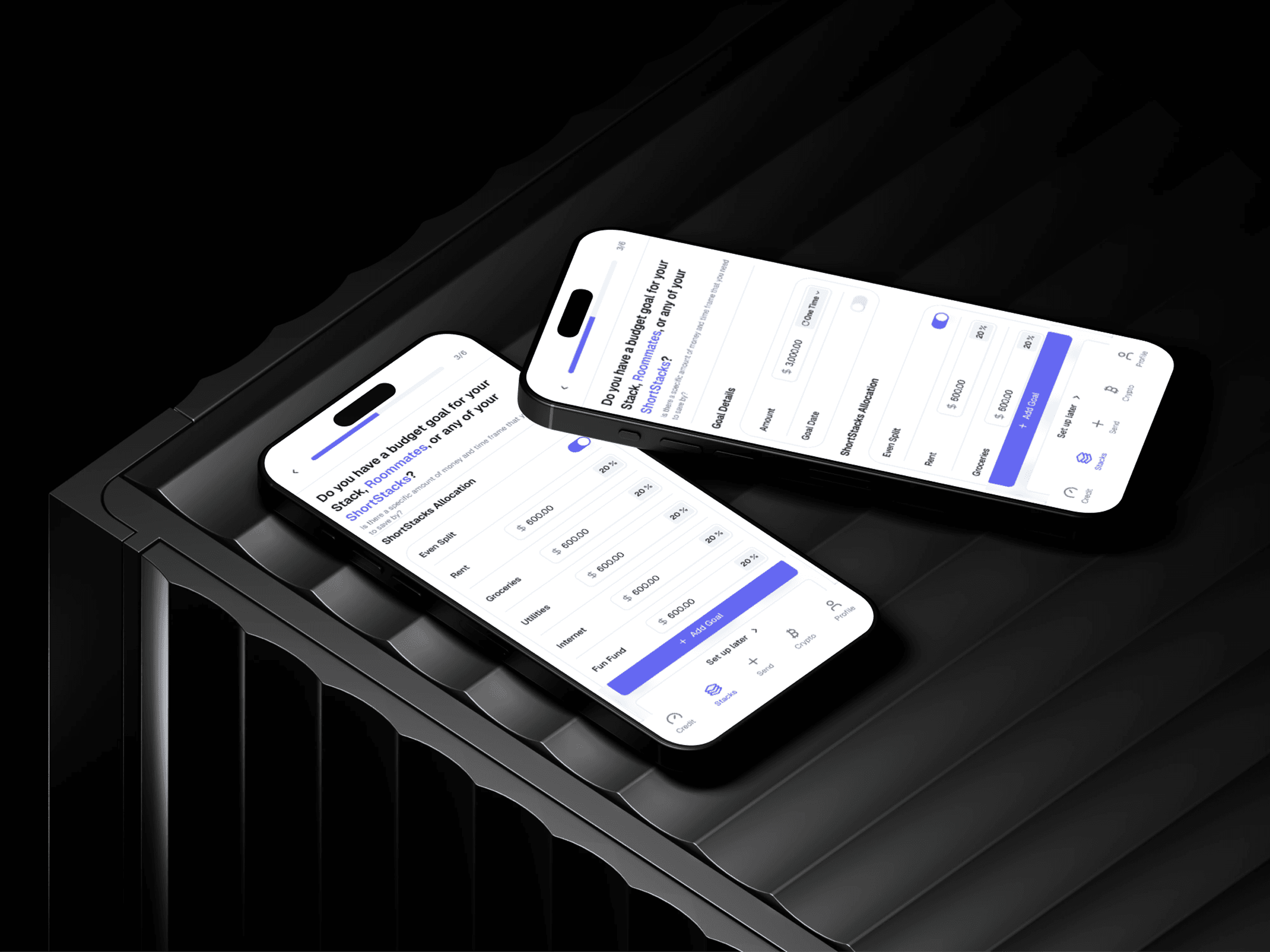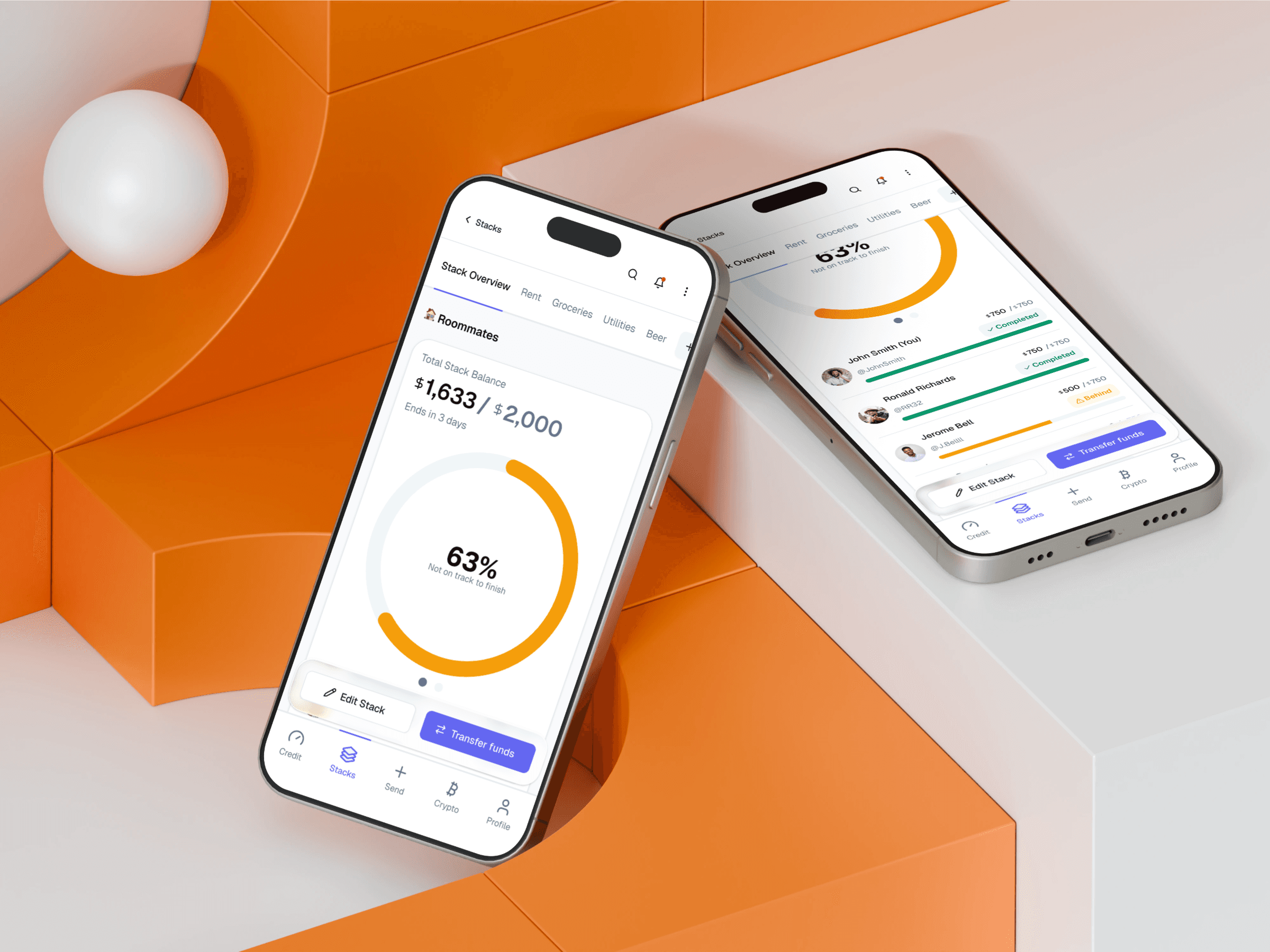
Splitting bills with roommates sounds easy until the payments start happening in different places. Rent may be one payment, utilities another, groceries get picked up at random times, and household supplies somehow never feel evenly covered. The best apps for splitting bills with roommates are the ones that make shared expenses more visible, organized, and less awkward to manage.
Why Roommates Need More Than Simple Payments
Sending money back and forth can solve one part of the problem, but it does not always solve the bigger issue. Roommates usually need a way to understand what is shared, what has already been paid, what is still owed, and how everything is being divided.
That is why the best bill-splitting apps are usually the ones that do more than just move money. They help create structure around shared expenses.
What to Look for in a Bill-Splitting App
Not every app is built for the same kind of shared money setup. Some are better for casual reimbursements, while others are more useful for recurring household costs.
A strong roommate bill app should make it easier to track shared expenses, see who contributed, understand what is still owed, and keep shared money separate from personal spending as much as possible.
Shared Visibility Matters
One of the most useful features in a roommate money app is visibility. If everyone can clearly see the total expenses, their portion, and what has already been covered, the whole process becomes easier.
Visibility reduces guesswork and lowers the chances of one person feeling like they are doing all the tracking or covering too much upfront.
Recurring Expenses Should Feel Easy to Manage
Roommate expenses are rarely one-time-only. Rent, utilities, internet, and household essentials show up again and again.
The best apps for splitting bills with roommates make recurring expenses easier to handle instead of forcing everyone to recreate the process every month. That consistency helps reduce friction over time.
Why Separate Shared and Personal Money
A shared expense app becomes much more useful when it helps separate group costs from individual spending. When everything is mixed together, it becomes harder to know what belongs to the household and what belongs to one person.
A clearer system makes shared costs feel more organized and less likely to create tension.
Simplicity Is Still Important
An app can have a lot of features and still be annoying to use. The best roommate bill apps usually strike a balance between usefulness and simplicity.
If the setup feels too complicated, people are less likely to keep using it properly. Shared money tools work best when they reduce effort instead of adding more of it.
Common Problems the Right App Should Solve
A good app should help prevent the most common roommate money issues. That includes forgotten reimbursements, unclear utility splits, one person fronting everything, and confusion around what counts as a shared expense.
If the app does not make those problems easier to manage, it may not actually be helping much.
How to Choose the Best App for Your Household
The best app depends on how your household works. If you only need occasional reimbursements, a simple payment tool may be enough. If you are regularly sharing rent, utilities, groceries, and household costs, a more structured shared money setup will probably work better.
The right choice is usually the one that feels clear, fair, and easy for everyone to stick with.
Final Thoughts
The best apps for splitting bills with roommates are the ones that make shared expenses easier to understand and manage, not just easier to send. When an app helps track recurring costs, improve visibility, and create structure around shared money, it becomes much more useful than a basic payment tool alone. For roommates, that difference can make everyday finances feel a lot less stressful.
Comments
Other Articles