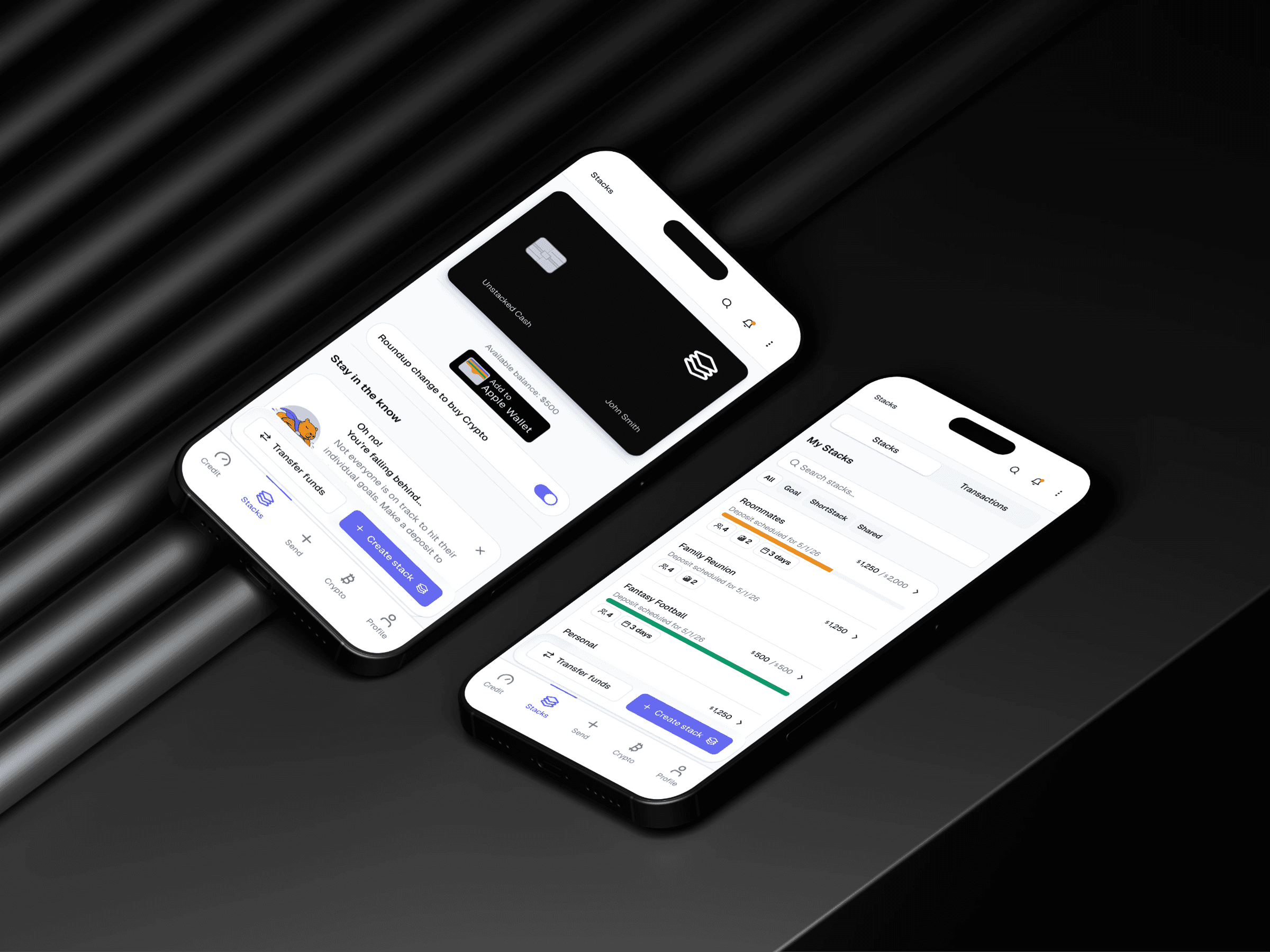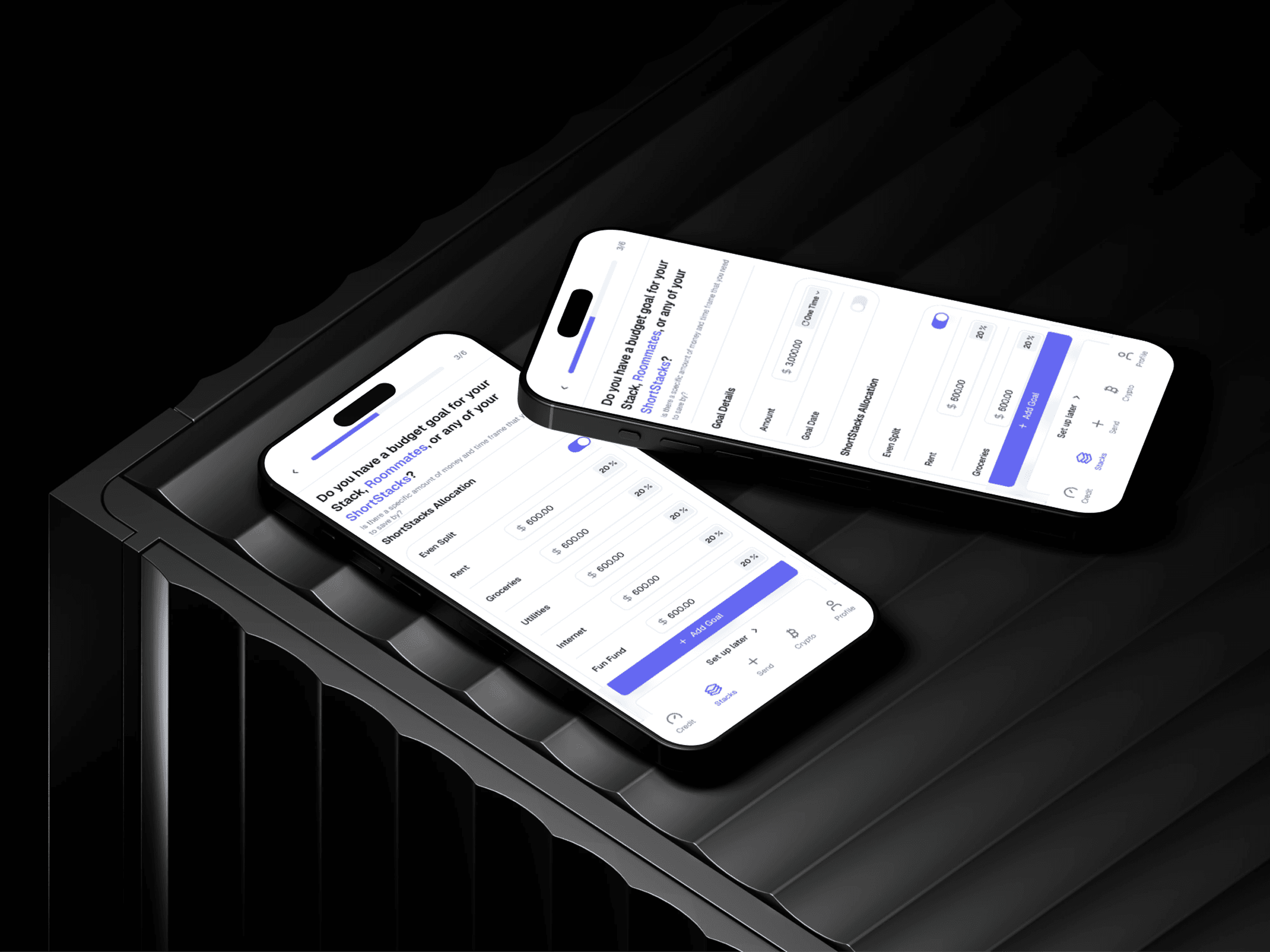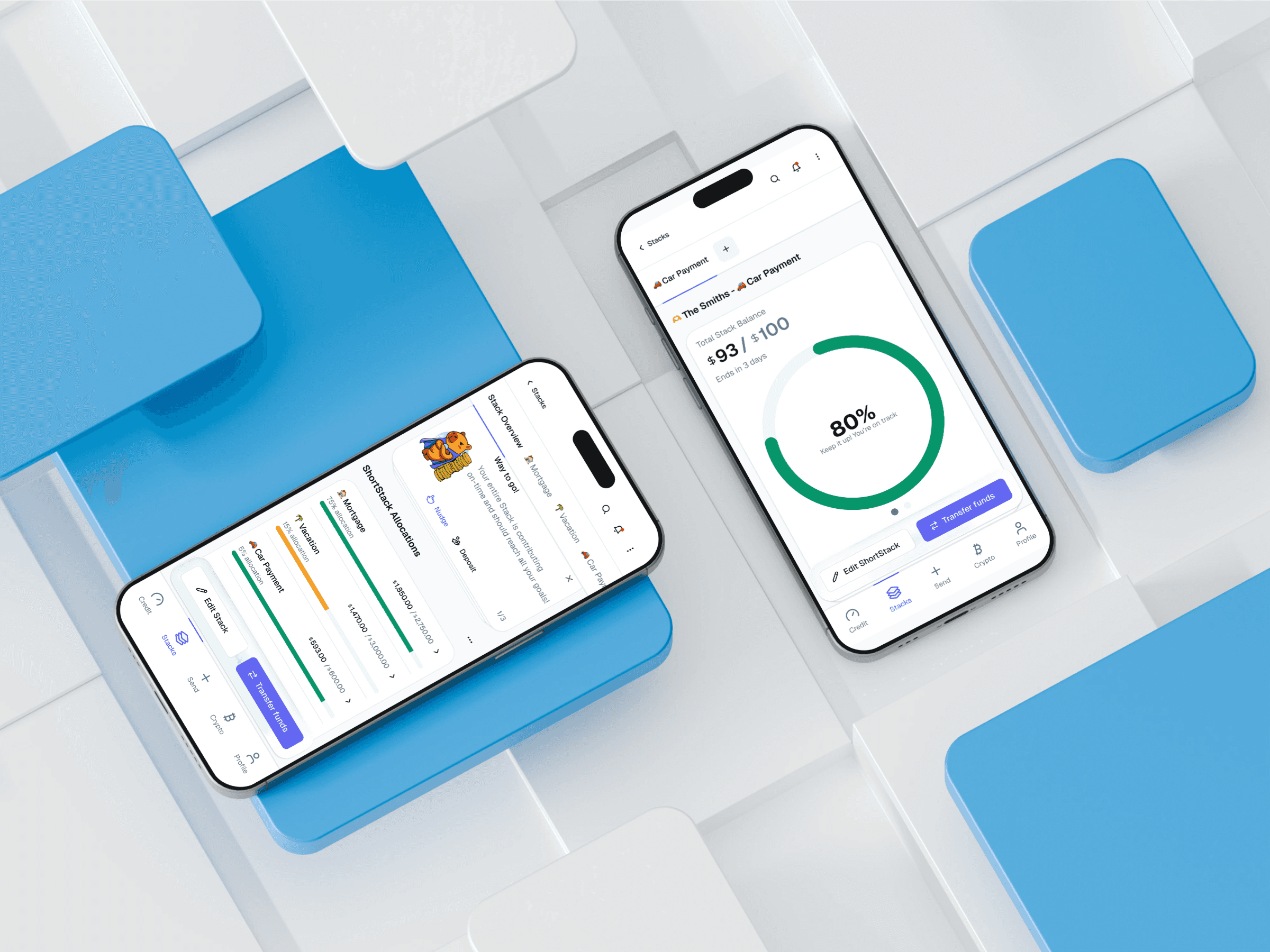
Splitting bills sounds simple until real life gets involved. One person pays for dinner, someone else covers groceries, another books the trip, and everybody assumes it will all get sorted out later. The problem is that later usually turns into confusion, missed details, and awkward conversations. A better system makes shared money feel much easier to manage.
Why Splitting Bills Gets Messy
Shared expenses usually become stressful when there is no clear structure. If people rely on memory, screenshots, text messages, and random payment requests, things are going to slip through the cracks.
Even people with good intentions can lose track of what they paid, what they owe, or whether something was already covered. That is when frustration starts to build.
Common Reasons Bill Splitting Goes Wrong
There are a few patterns that cause most of the problems with shared expenses.
One Person Fronts Everything
When one person keeps paying upfront, they often end up chasing everyone else down later. That gets old fast.
Nobody Agrees on the Rules
Some groups assume everything should be split equally. Others expect people to pay based on what they used. If that is never discussed, people can walk away with very different expectations.
Shared and Personal Spending Get Mixed Together
When shared expenses live inside personal balances, it becomes harder to tell what belongs to the group and what does not.
How to Split Bills More Fairly
The best way to split bills is to make the process clear before there is a problem. That means deciding what counts as shared, how expenses should be divided, and how contributions will be tracked.
For example, shared expenses might include rent, groceries, utilities, household supplies, travel bookings, or event costs. Once everyone agrees on that, the next step is deciding how the split works.
Some situations call for an equal split. Others may need a more flexible approach based on usage, participation, or personal arrangements. What matters most is that everybody understands the system.
Why Visibility Matters
Money usually feels more stressful when people cannot clearly see what is happening. The more visible the process is, the less emotional it tends to become.
People should be able to understand what has been paid, who contributed, what is still owed, and how totals are being divided. When that information is clear, the conversation becomes much easier.
Best Practices for Managing Shared Expenses
A few simple habits can prevent most group money issues before they start.
Talk About Expectations Early
It is much easier to agree on a system before the spending starts than after someone feels annoyed or shortchanged.
Keep Shared Money Separate
Separating group money from personal money creates better boundaries and cleaner tracking.
Use a Consistent System
The more consistent the process is, the less people have to remember. That reduces misunderstandings and missed payments.
How Shared Money Tools Can Help
A dedicated shared money setup can make splitting bills much less awkward. Instead of one person handling everything manually, the group can contribute, track, and manage expenses in one place.
That means less chasing, fewer reminders, and a better understanding of where the money is going. For roommates, couples, families, and friend groups, that kind of structure can make a big difference.
Common Mistakes to Avoid
A lot of shared money stress comes from a few avoidable mistakes. Waiting too long to bring up money, assuming people remember the same details, and treating every expense casually can all create unnecessary tension.
The goal is not to make things overly formal. It is to create enough clarity that no one has to guess.
Final Thoughts
If you want to split bills with friends, roommates, or partners without the drama, the answer is usually not better memory or more trust alone. It is better structure. When shared expenses are visible, organized, and easy to track, money becomes much less stressful for everyone involved.
Comments
Other Articles