Keeping all your money in one place can make it harder to understand what you can actually spend. When rent, groceries, subscriptions, savings, and personal spending all come from the same balance, it becomes easy to lose track. Organizing your money into separate buckets, or “stacks,” can make your finances feel much more manageable.
What Are Budget Buckets or Stacks?
Budget buckets are simple categories for your money. Instead of treating your entire balance as one number, you separate it by purpose. Each stack has a job.
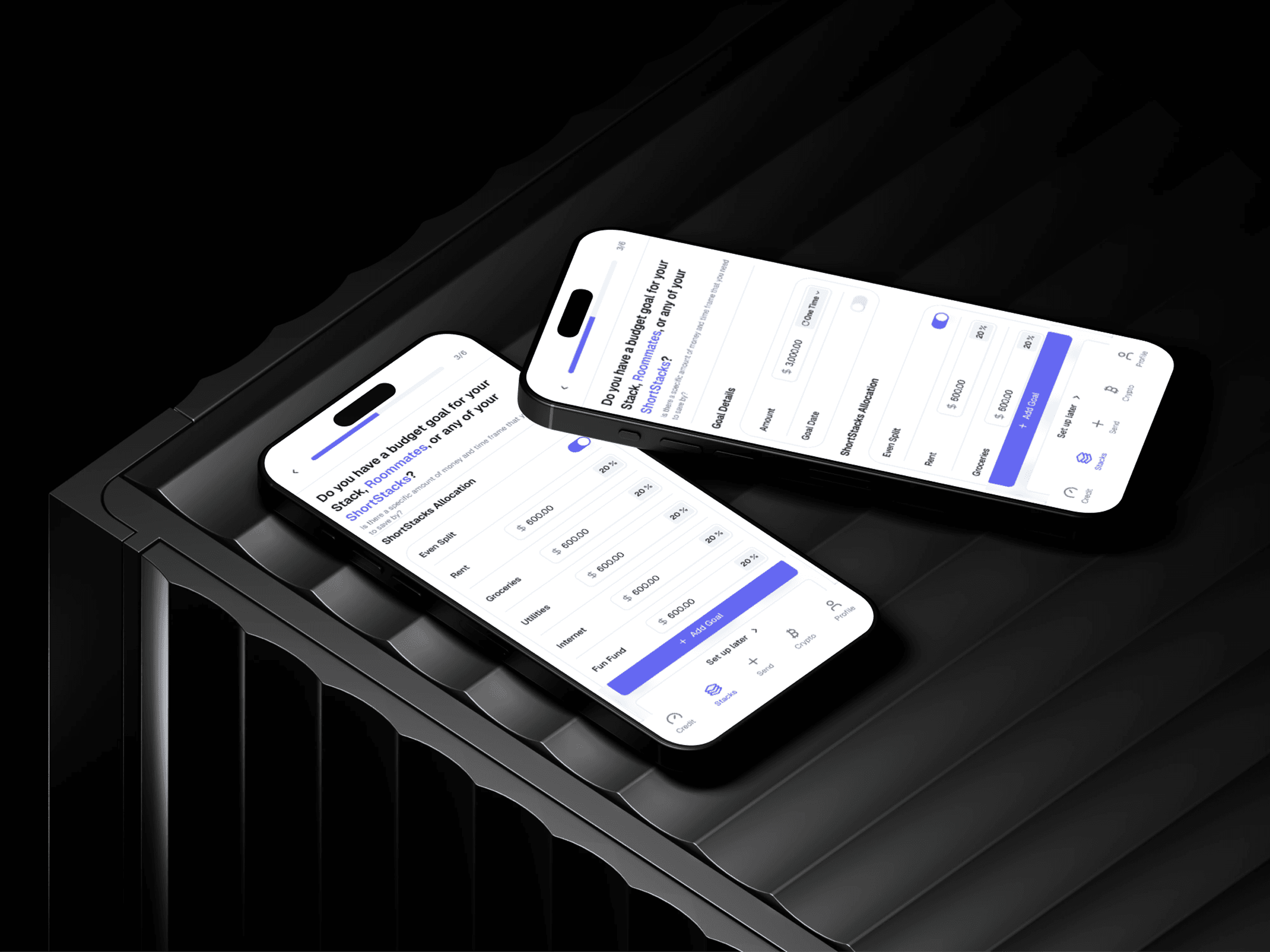
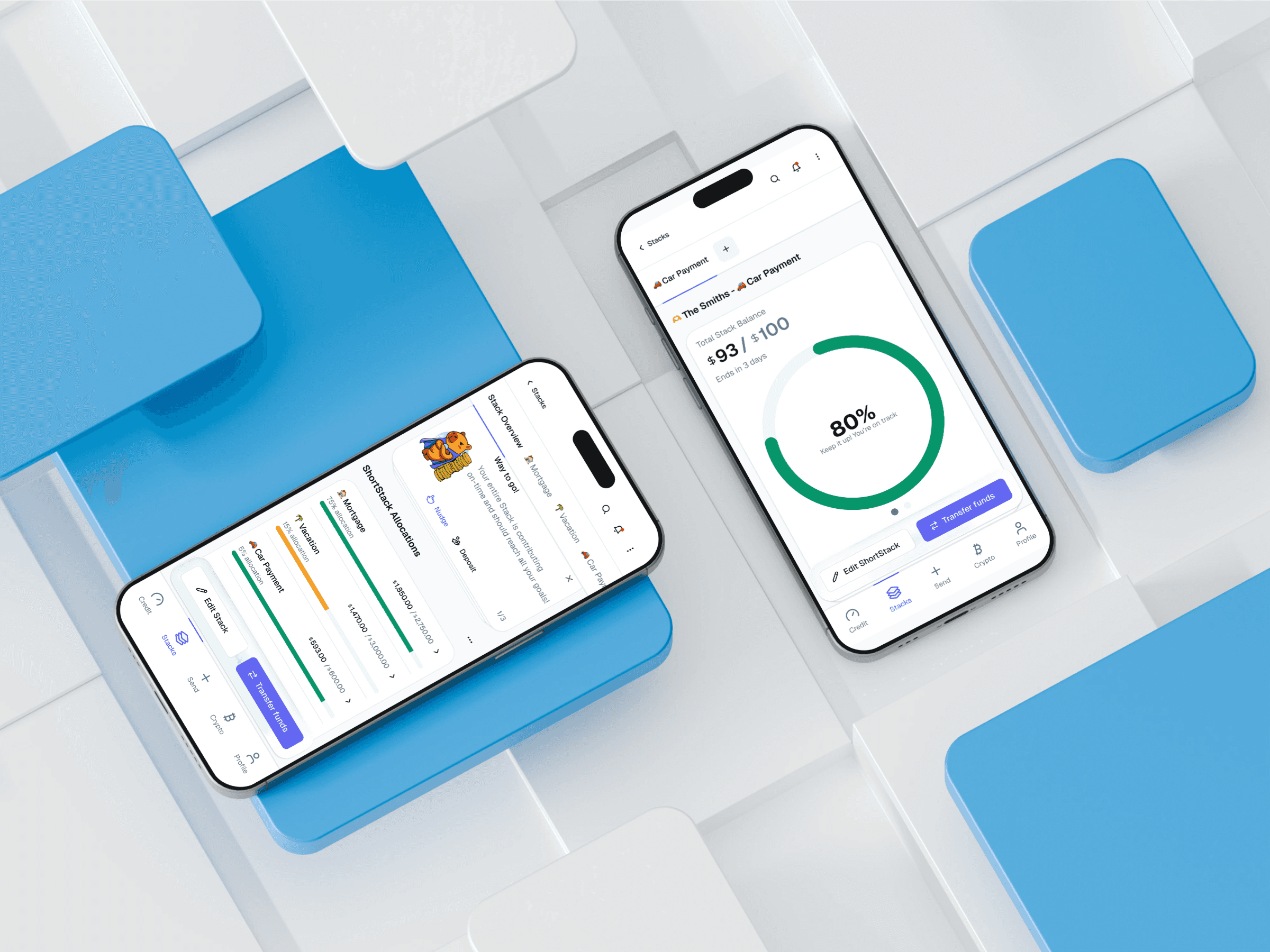
You might create stacks for rent and bills, groceries, travel, emergency savings, shared household expenses, or fun money. This method helps you see where your money belongs before you spend it.
Why Organizing Your Money Matters
A lot of financial stress comes from not knowing what part of your balance is already spoken for. Your account might look healthy, but some of that money may already need to go toward upcoming bills or savings goals.
When you organize your money into stacks, you get more clarity. You know what is safe to spend, what needs to stay put, what is being saved for later, and what belongs to shared expenses. That visibility can help reduce overspending and make day-to-day decisions easier.
Benefits of Using Stacks for Money Management
Using stacks is not just about budgeting. It is about creating a system that feels easier to follow.
Better Spending Awareness
When each category has its own balance, you can quickly see whether you are on track and make better decisions before spending.
Easier Saving
Saving for multiple goals becomes much simpler when each goal has its own place. Instead of one vague savings balance, you can clearly see what each amount is for.
Less Stress Around Shared Money
Stacks can be especially useful for roommates, couples, or families managing shared expenses together. Clear separation makes group finances feel much easier to handle.
More Financial Control
Giving each dollar a purpose can help you feel more intentional and less reactive. Instead of guessing, you can make choices with more confidence.
How to Start Organizing Your Money Into Stacks
You do not need a complicated system to get started. Keep it simple.
1. List Your Main Expenses and Goals
Think about the categories that show up most often in your life. Focus on the essentials first, like bills, groceries, and savings.
2. Create a Few Key Stacks
Start with a small number of categories such as bills, groceries, savings, and shared expenses. You can always add more later if needed.
3. Put Money Into Each Stack Regularly
You can divide money when you get paid or move it manually as needed. The important thing is to give each stack a clear purpose.
4. Adjust as Your Life Changes
Your money system should support your life, not lock you into something rigid. As your priorities change, your stacks can change too.
Common Mistakes to Avoid
Some people create too many categories too quickly, which can make the whole system feel harder to manage. Others never review how their setup is working and end up with stacks that no longer match their real needs.
A good stack system should feel clear, flexible, easy to maintain, and useful in real life. The goal is not perfection. The goal is visibility and control.
Final Thoughts
Organizing your money into budget buckets or stacks can make everyday finances feel more clear and less chaotic. Whether you are saving for goals, managing bills, or handling shared expenses, stacks give your money structure. And when your money has structure, your decisions get easier.
Comments
Other Articles