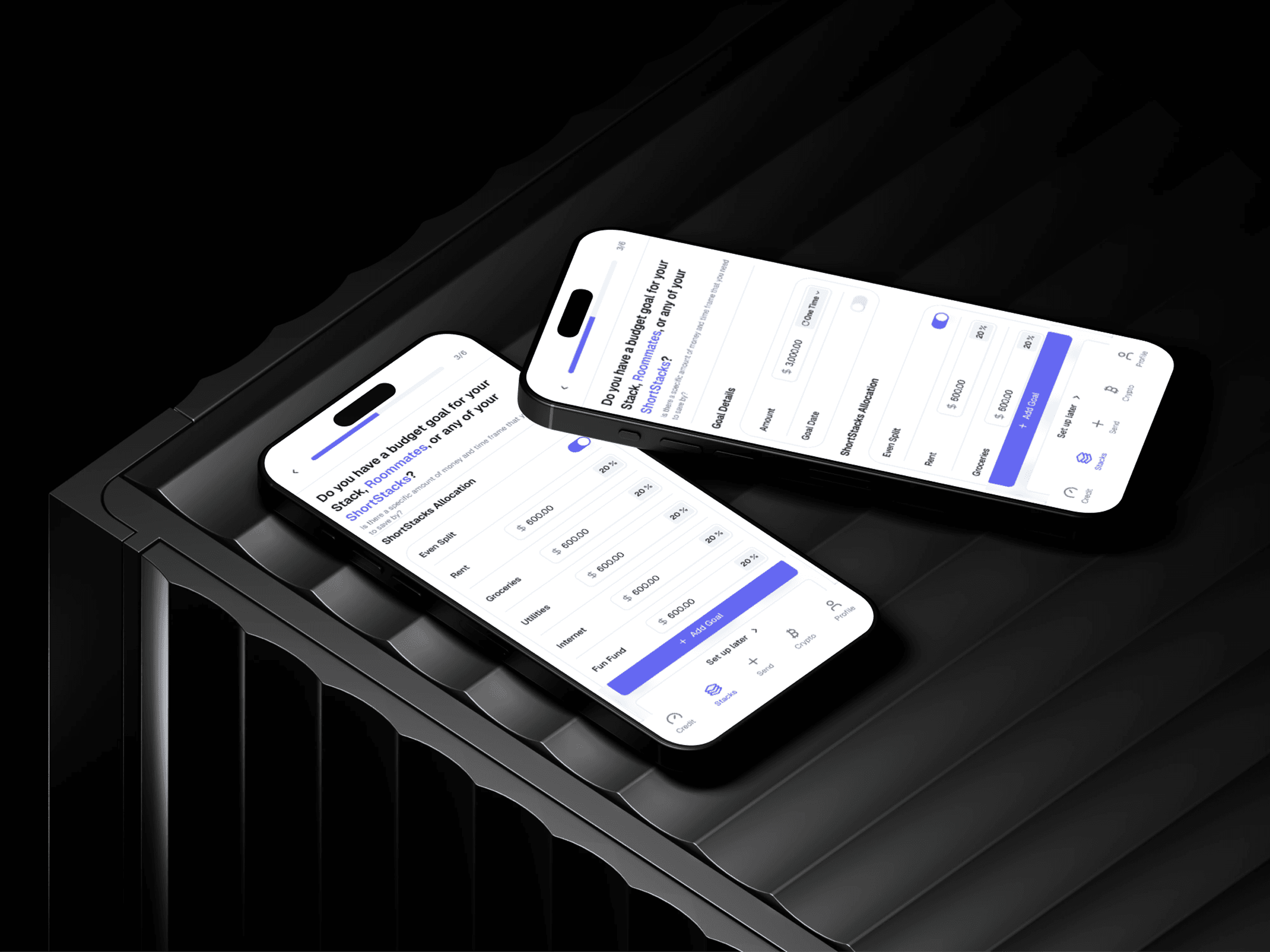
Managing money as a couple does not have to mean combining every dollar into one shared account. A lot of couples want to handle bills, savings goals, and everyday expenses together while still keeping some independence. The best system is usually the one that feels clear, fair, and realistic for both people.
Why Couples Do Not Need to Combine Everything
Some couples prefer fully merged finances, but that is not the only healthy option. Keeping some money separate can make it easier to maintain personal freedom, reduce tension around individual spending, and create better boundaries.
What matters most is not whether everything is combined. It is whether the system works for both people and supports open communication.
Decide What Should Be Shared
The first step is deciding which parts of your financial life should be handled together.
Shared categories often include rent or mortgage payments, utilities, groceries, travel, household expenses, subscriptions, and savings goals. Personal categories may include hobbies, gifts, shopping, or other spending that does not need to be managed jointly.
When couples define that clearly, money usually feels less confusing.
Create a System That Feels Fair
Fair does not always mean identical. Some couples split shared expenses evenly. Others contribute based on income or divide responsibilities in a way that better fits their situation.
The important part is that both people understand the system and agree that it feels reasonable. Unspoken assumptions are often what create financial tension.
Keep Shared and Personal Money Clear
One of the easiest ways to reduce confusion is to separate shared money from personal money. When everything lives in the same place, it becomes harder to tell what belongs to bills, savings goals, or individual spending.
A clearer structure makes it easier to track shared contributions while still giving each person room to manage their own spending decisions.
Talk About Goals Early
Money conversations tend to go better when they happen before there is a problem. Couples should talk about how they want to handle recurring bills, shared savings, emergency planning, and bigger financial goals.
That does not mean every conversation has to be intense. It just means clarity should come before frustration.
Why Visibility Helps
Shared money tends to feel less stressful when both people can clearly understand what is happening. Knowing what has been contributed, what is coming up, and what the money is for can make the relationship side of finances feel much easier.
Visibility helps turn money into a system instead of an argument.
Common Mistakes to Avoid
A few patterns create most of the stress. Avoid assuming your partner views money the same way you do, leaving shared expenses too informal, and waiting too long to discuss expectations.
Another common mistake is treating only one approach as the right one. Some couples do best with fully merged finances, while others do better with a hybrid system. The goal is not to follow a rule. It is to build a setup that actually works.
Final Thoughts
Couples can manage money together without sharing everything by creating a system that separates shared responsibilities from personal spending, keeps expectations clear, and supports mutual goals. When the setup feels fair and transparent, money becomes easier to handle and much less likely to create unnecessary stress.
Comments
Other Articles