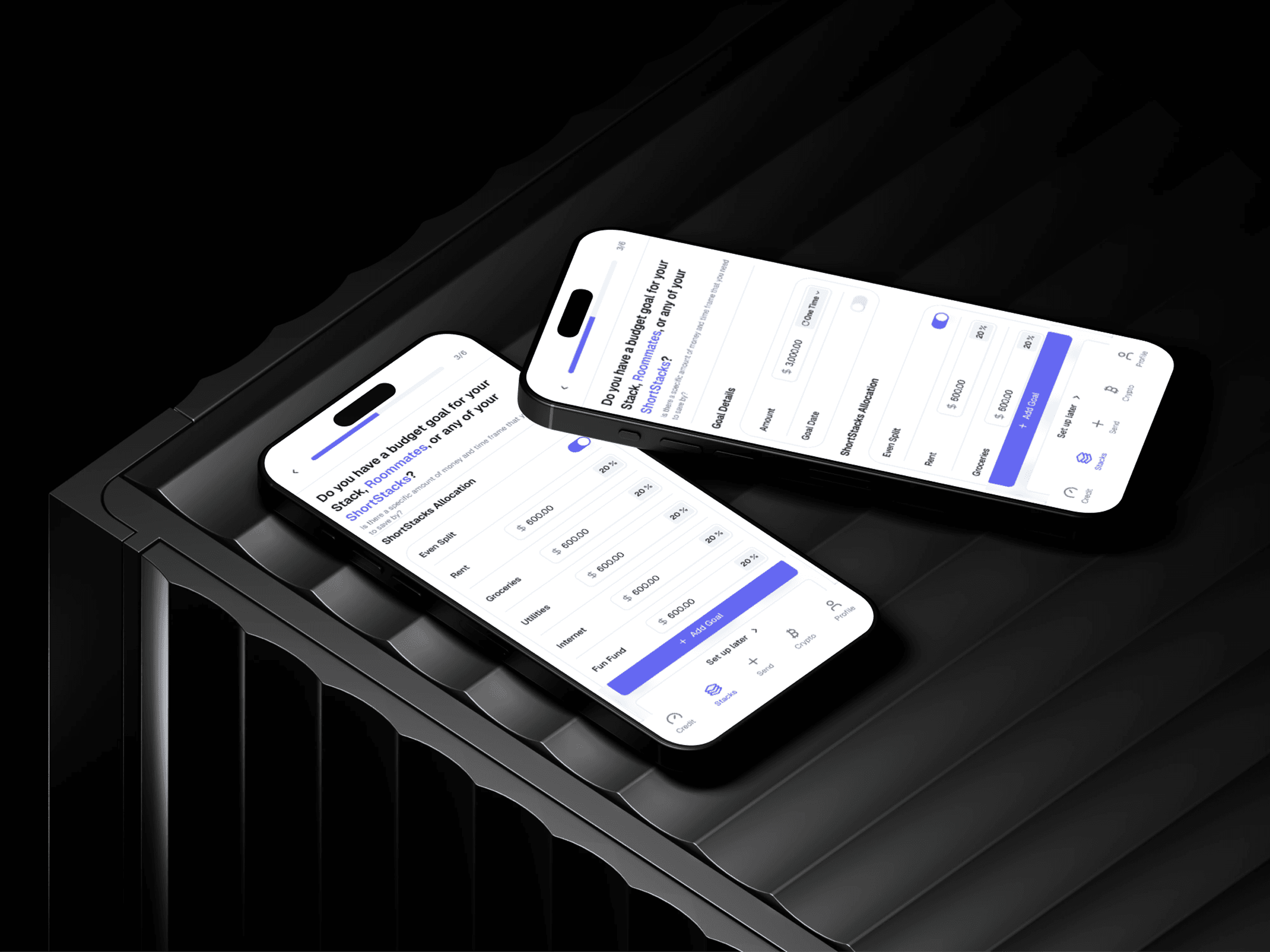
Budgeting for shared household expenses can get messy fast when there is no clear system. Rent may be easy to remember, but groceries, utilities, cleaning supplies, subscriptions, and other recurring costs often create confusion. The best approach is to make shared spending visible, predictable, and easy for everyone involved to understand.
What Counts as Shared Household Expenses
Shared household expenses are the costs that support the home and are used by more than one person. These often include rent, utilities, internet, groceries, cleaning supplies, paper products, household subscriptions, and other recurring needs.
The exact list may look different from one household to another, but the important part is defining what belongs in the shared budget and what stays personal.
Why Shared Budgeting Gets Complicated
Shared finances usually become stressful when people are handling expenses casually. One person may buy groceries more often, another may cover the internet bill, and someone else may forget they were supposed to pay for supplies that week.
Without a clear structure, people can start feeling like the system is uneven even when no one meant for it to be.
Start With Your Core Shared Costs
The easiest way to build a shared household budget is to begin with the recurring essentials. Focus first on the categories that show up every month and affect everyone in the home.
That often means starting with housing costs, utilities, internet, groceries, and basic household items. Once the core expenses are clear, the rest becomes easier to organize.
Decide How Costs Will Be Split
Not every household handles shared costs the same way. Some split everything evenly. Others divide costs based on income, usage, or specific responsibilities.
The right system is the one that feels fair to the people involved and is agreed on clearly. Problems tend to happen when the method is never discussed and everyone assumes something different.
Keep Shared Money Separate From Personal Spending
One of the best ways to reduce confusion is to separate shared household money from personal money. When all expenses are mixed together, it becomes harder to tell what belongs to the group and what belongs to the individual.
A clearer structure makes it easier to contribute consistently, track what has been covered, and avoid repeated back-and-forth over small expenses.
Plan for Variable Costs
Some household costs stay about the same each month, while others change. Utilities may rise, groceries may fluctuate, and occasional household purchases can catch people off guard.
A good shared budget leaves room for variation instead of assuming every month will look exactly the same. That flexibility helps keep the system realistic.
Why Visibility Matters
People usually feel better about shared expenses when they can clearly understand what is happening. Visibility reduces guesswork and helps everyone know what is expected.
When contributions, categories, and totals are easy to follow, the budget feels more manageable and less emotional.
Common Mistakes to Avoid
A few common mistakes make shared household budgeting harder than it needs to be. These include failing to define shared categories clearly, keeping the process too informal, ignoring variable expenses, and assuming everyone has the same expectations around fairness.
The stronger the system is upfront, the less tension it usually creates later.
Final Thoughts
Budgeting for shared household expenses works best when the categories are clear, the split feels fair, and the system is easy to follow. Whether you live with roommates, a partner, or family, a shared budget can reduce confusion and make everyday finances feel much more manageable.
Comments
Other Articles