Creating a household budget with a partner can feel difficult if you both think about money differently. One person may like structure, while the other prefers flexibility. One may want to save aggressively, while the other focuses more on day-to-day comfort. A good household budget is not about forcing one person’s style onto the other. It is about building a system that feels clear, fair, and realistic for both of you.
Start With Shared Household Costs
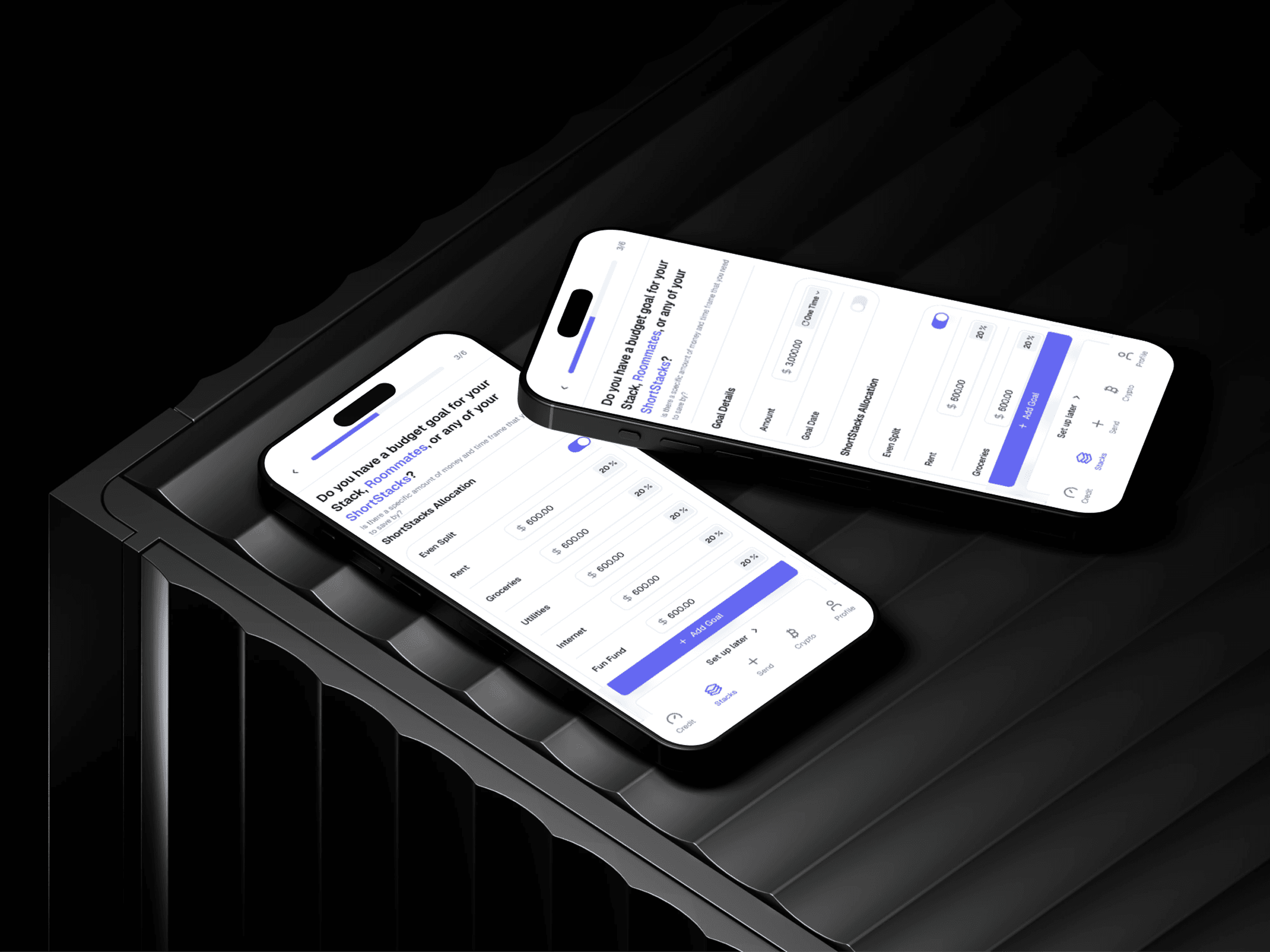
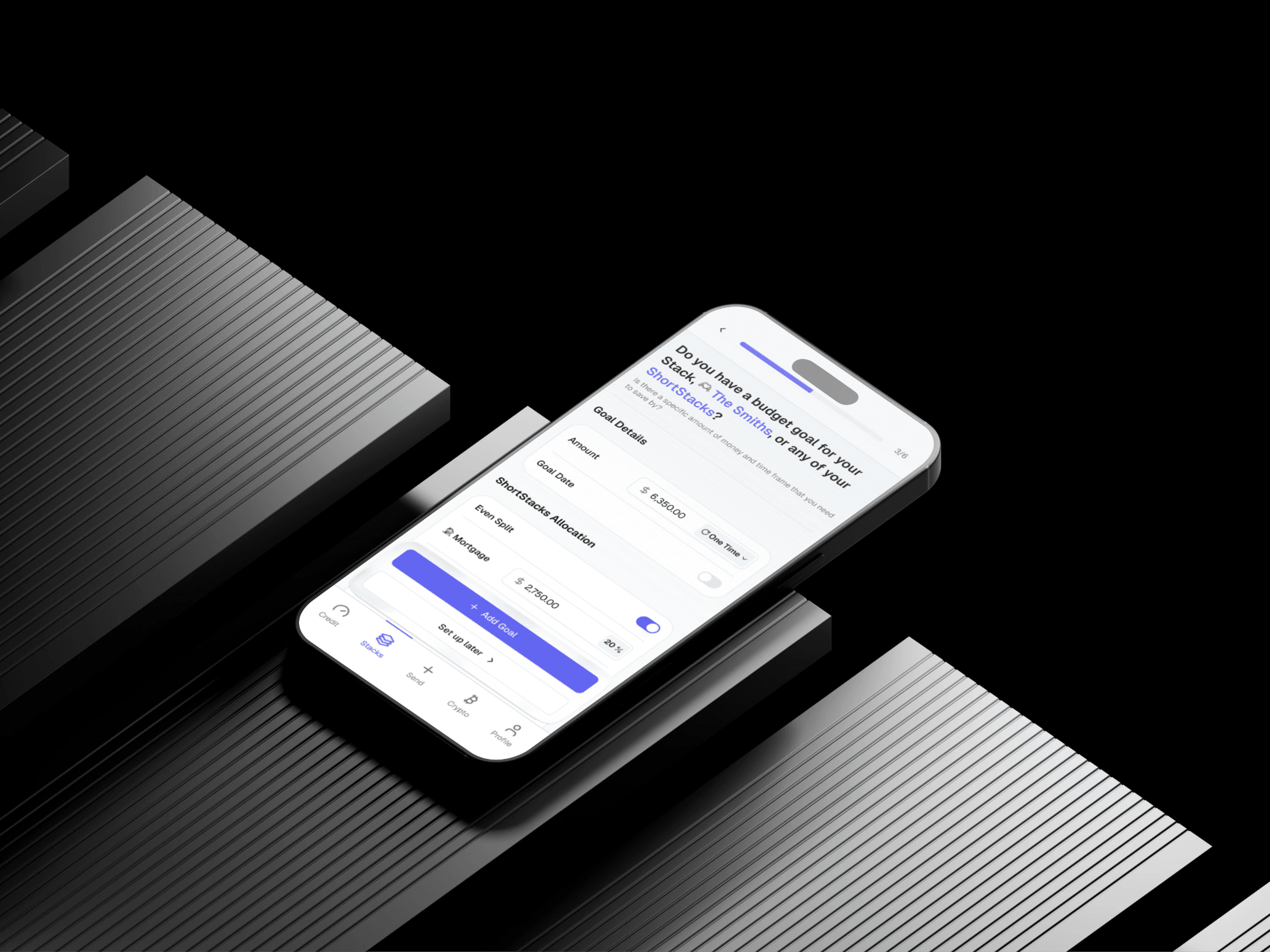
The first step is identifying the expenses that belong to the household. These usually include rent or mortgage payments, utilities, groceries, internet, subscriptions, household supplies, and other recurring costs tied to daily life together.
Defining those shared categories first makes the rest of the budget easier to build.
Separate Shared and Personal Spending
One of the biggest mistakes couples make is blending everything together too loosely. When shared costs and personal spending are mixed into the same mental category, it becomes harder to understand what the money is actually for.
A better system separates household responsibilities from individual spending. That creates more clarity and usually reduces unnecessary tension.
Decide How You Want to Contribute
Not every couple contributes the same way. Some split everything evenly, while others divide expenses based on income, responsibilities, or another arrangement that feels fair to both people.
The most important thing is that the method is discussed openly. A budget works better when both people understand how contributions are being handled and why.
Plan for Fixed and Variable Expenses
Some household costs stay fairly consistent each month, while others change. Rent may stay the same, but groceries, utilities, and miscellaneous home expenses may fluctuate.
A strong budget accounts for both. If the system only works on paper during a perfect month, it usually will not hold up in real life.
Include Shared Goals
A household budget should not only focus on paying bills. It should also support the goals you are working toward together.
That may include travel, emergency savings, home purchases, future plans, or other priorities that matter to both of you. Including shared goals helps the budget feel more motivating and less like a list of obligations.
Keep the System Visible
The easier it is to understand what is happening, the easier the budget is to maintain. Visibility helps both people stay aware of what has been contributed, what is coming up, and where the money is meant to go.
When money is visible, it tends to feel less emotional and more manageable.
Talk Before There Is a Problem
Budget conversations usually go better when they happen before something feels frustrating. Waiting until one person is annoyed or confused makes the conversation much harder than it needs to be.
A simple check-in about spending, upcoming costs, and shared priorities can do a lot to keep the system healthy.
Common Mistakes to Avoid
A few mistakes make shared household budgets harder than necessary. These include assuming both partners define fairness the same way, failing to separate shared and personal spending, building a budget with no room for variable costs, and treating the system as fixed instead of adjustable.
The best budgets are clear enough to create structure and flexible enough to work in real life.
Final Thoughts
Creating a household budget with a partner works best when shared costs are clearly defined, contributions feel fair, goals are included, and the system stays visible. A good budget should support the relationship, not create more stress. When both people understand the setup and feel good about it, managing money together becomes much easier.
Comments
Other Articles