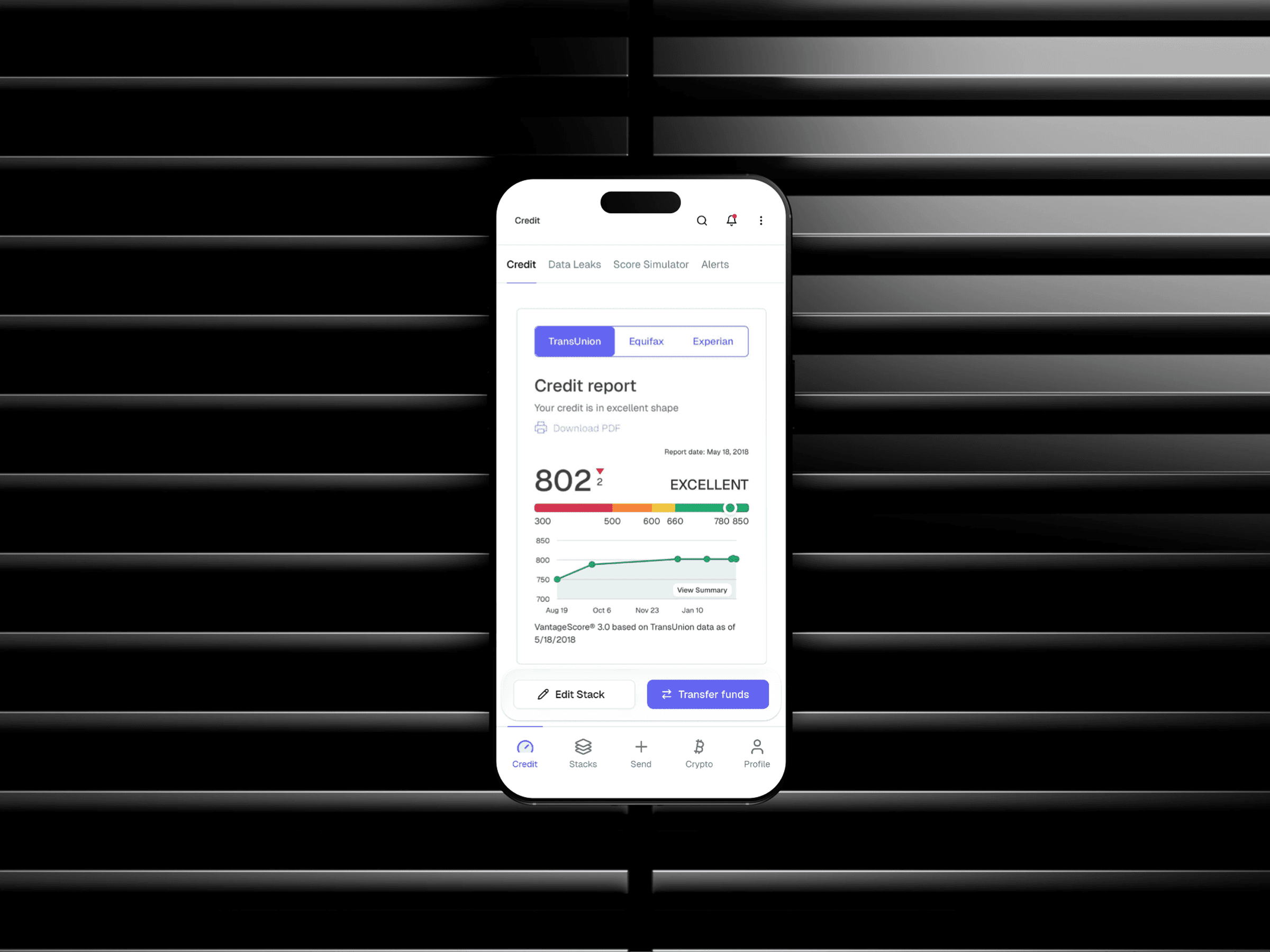
Improving your credit score can feel overwhelming at first, especially if you are not sure what is affecting it. The good news is that credit usually improves through consistent habits, not one perfect move. Small actions over time can make a real difference.
Understand What Affects Your Credit Score
Before trying to improve your credit score, it helps to understand what may be holding it back. Common factors include missed payments, high credit card balances, too many new applications, and a short or limited credit history.
If you do not know where to start, begin by looking at the patterns that may be hurting your credit the most.
Pay Your Bills on Time
One of the most important steps in improving your credit score is paying your bills on time. Late payments can hurt your credit and may stay on your report for a long time.
Even one missed payment can cause problems, so consistency matters. Setting reminders or using autopay can help reduce the chance of missing a due date.
Lower Your Credit Utilization
Credit utilization refers to how much of your available credit you are using. If your balances are too high compared to your credit limits, it can hurt your score even if you are making payments.
Paying down balances can help improve this over time. In general, lower utilization tends to look better than carrying high balances month after month.
Avoid Applying for Too Much New Credit at Once
Applying for several new credit accounts in a short period of time can make your credit look riskier. It may also lead to multiple hard inquiries, which can affect your score.
If you are actively trying to improve your credit, it is usually better to be selective and avoid unnecessary applications.
Keep Older Accounts Open When Possible
The length of your credit history can matter. Older accounts may help strengthen your profile by showing a longer record of credit use.
Closing old accounts is not always the right move, especially if they are helping your average account age or supporting your available credit.
Review Your Credit Report for Errors
Sometimes credit issues are not only about habits. Errors on your credit report can also affect your score.
It is worth reviewing your report for incorrect account information, payments that were reported inaccurately, or activity you do not recognize. Catching those issues early can help you take action faster.
Build Better Credit Habits Over Time
Improving your credit score usually comes down to consistency. Paying on time, keeping balances manageable, and avoiding rushed financial decisions can all support stronger credit over time.
It may not happen instantly, but steady habits often work better than trying to find a quick fix.
Be Patient With Progress
A lot of people get discouraged because credit improvement does not always happen right away. That is normal. Credit scores tend to respond over time as your habits become more consistent and negative patterns start to fade.
The goal is not perfection. The goal is steady progress that puts you in a stronger position over time.
Final Thoughts
If you want to improve your credit score step by step, focus on the basics first. Pay on time, lower balances where you can, avoid unnecessary new applications, and stay aware of what is showing up on your credit profile. Stronger credit is usually built through simple habits repeated consistently, not shortcuts.
Comments
Other Articles