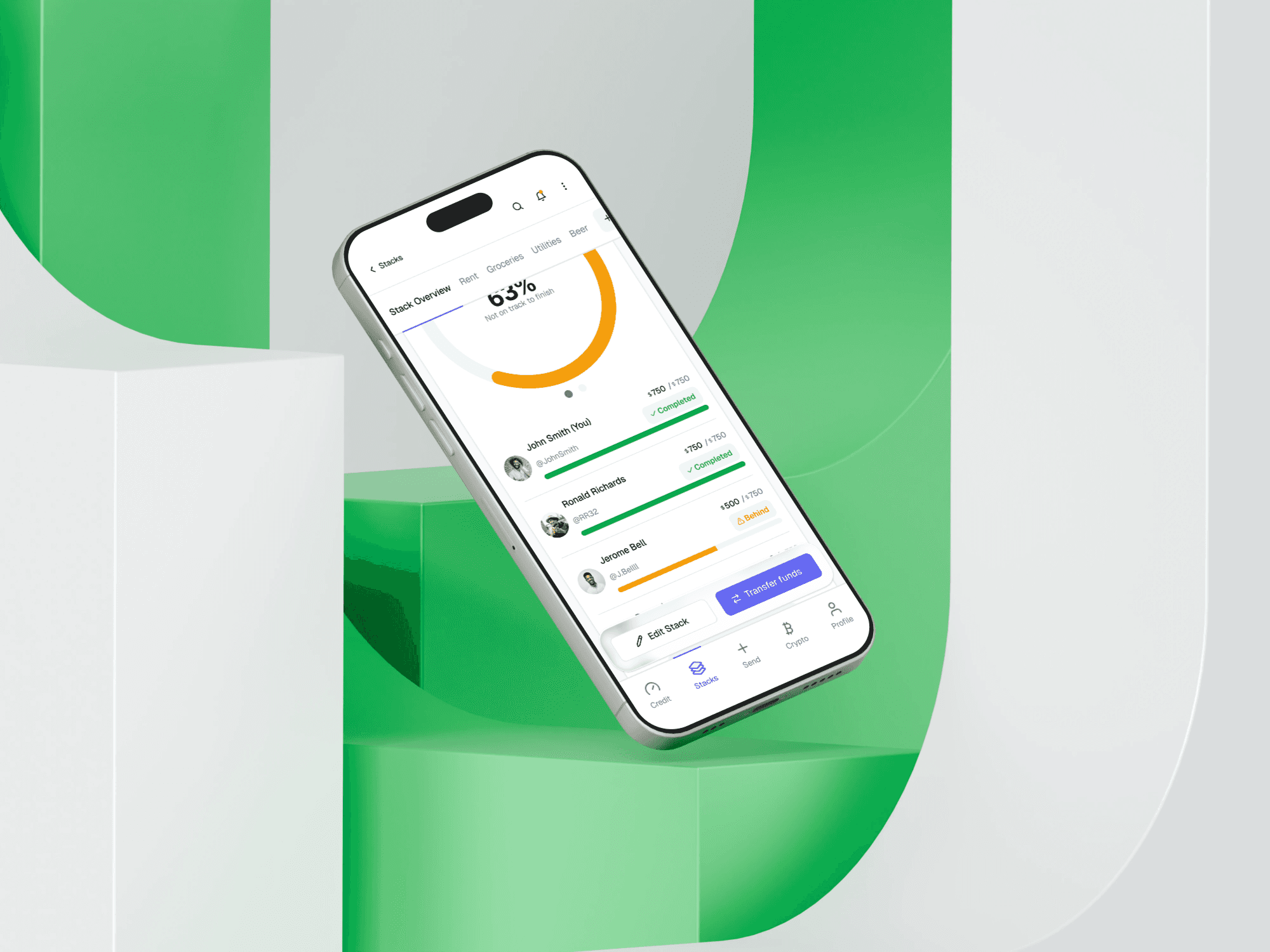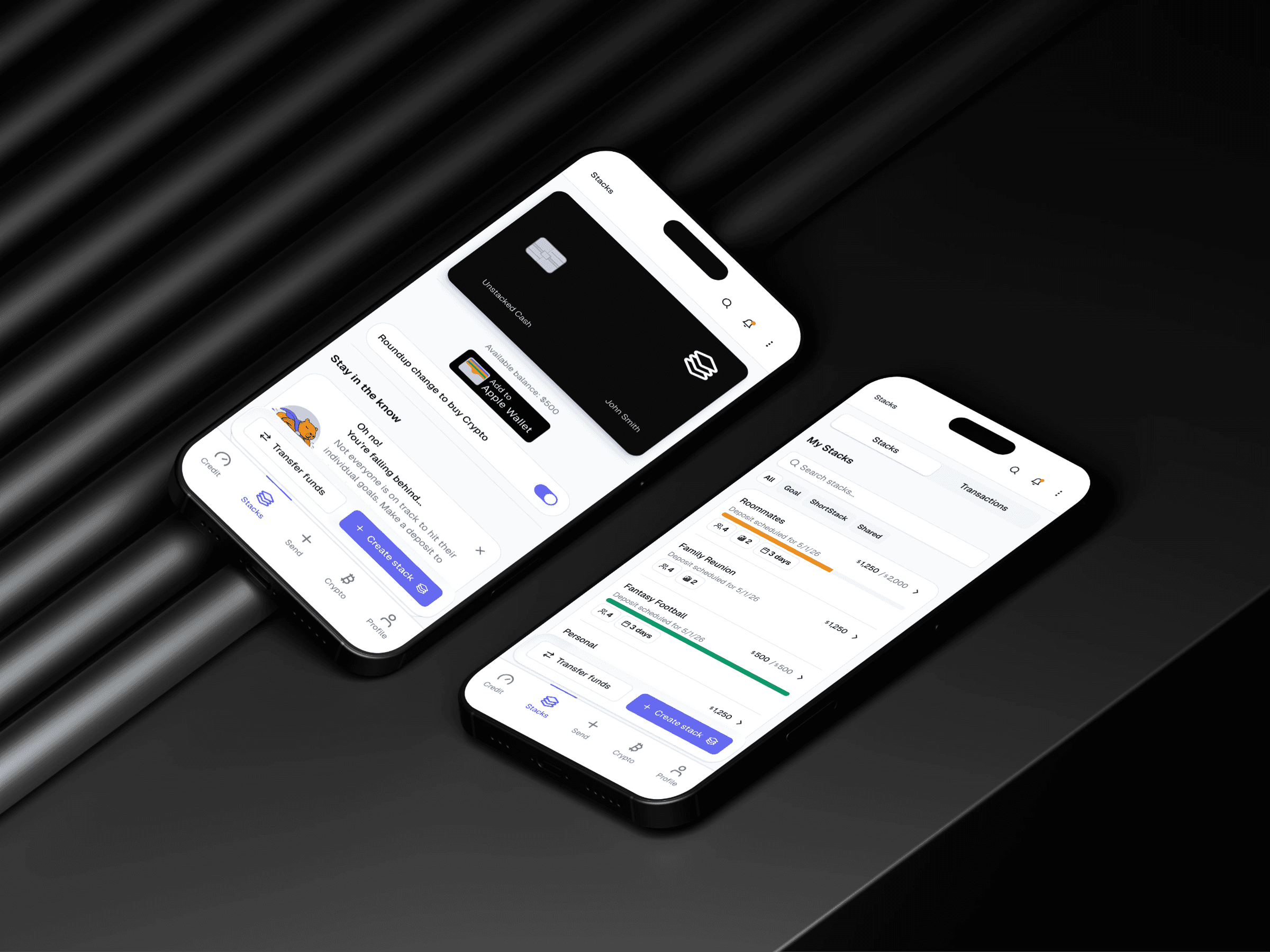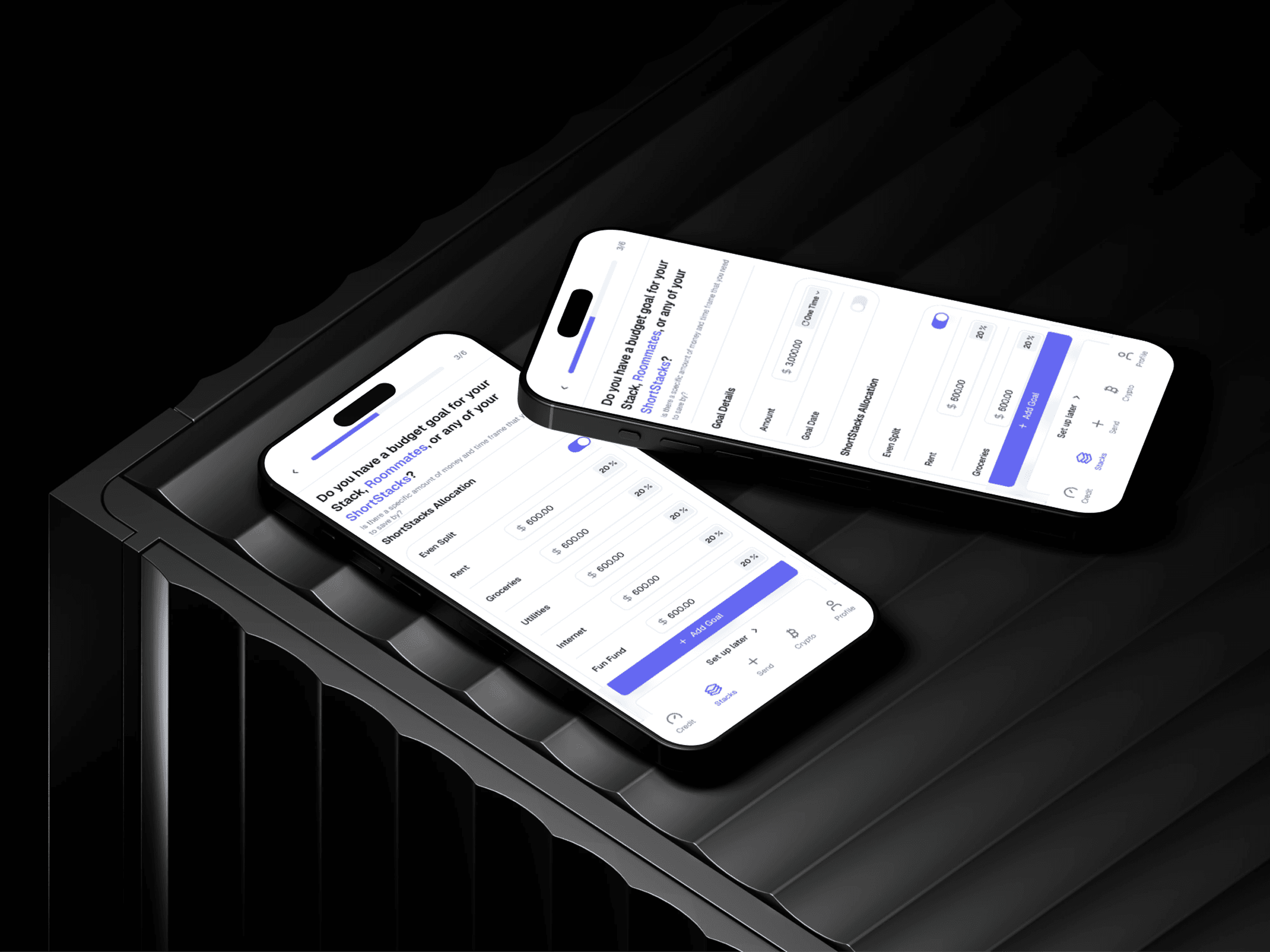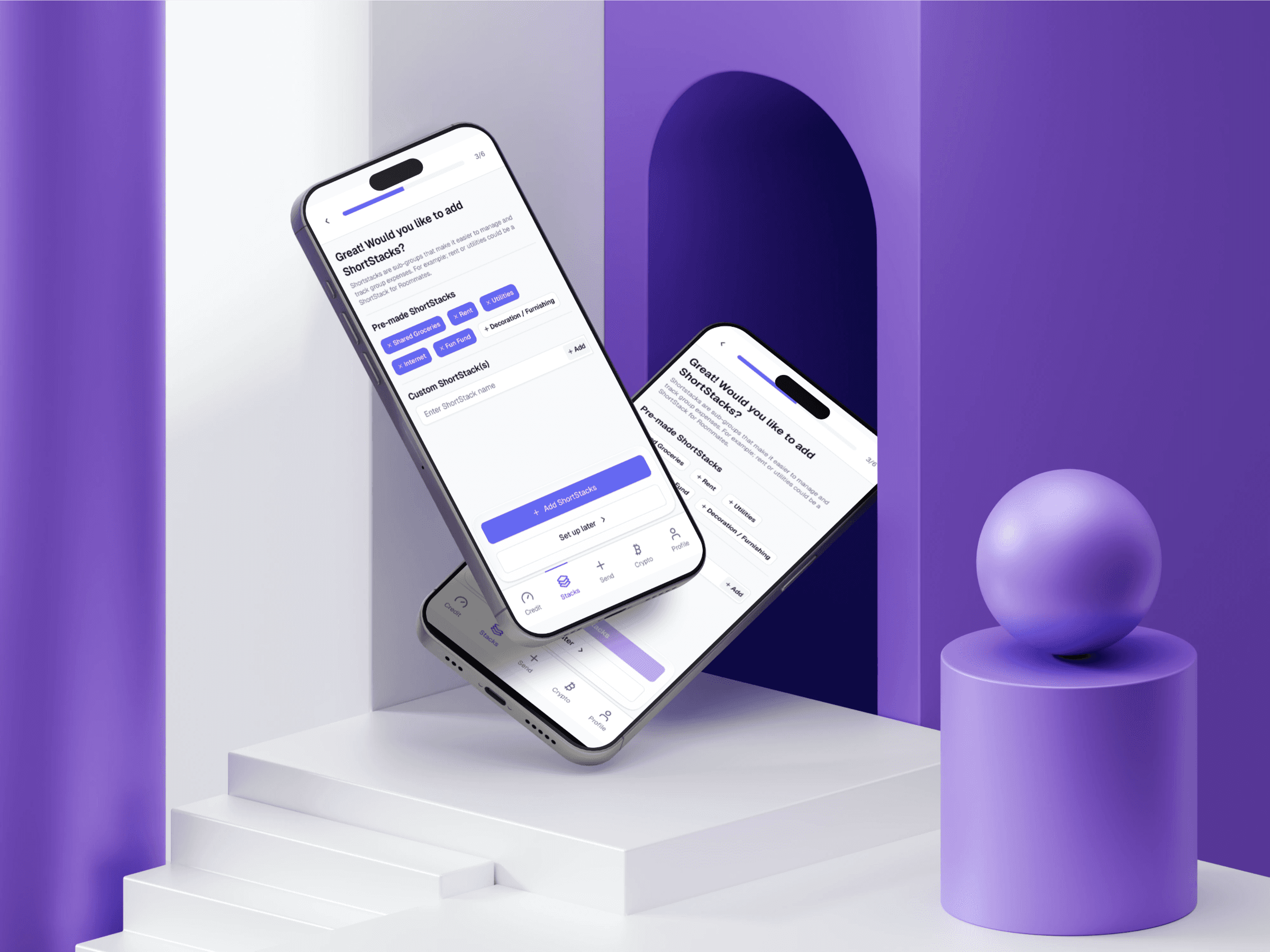
A lot of people hear the terms sinking funds and budget buckets used in similar ways, which can make them seem interchangeable. They are closely related, but they are not exactly the same. Understanding the difference can help you organize your money in a way that feels more useful and intentional.
What Are Budget Buckets?
Budget buckets are broad categories you use to separate your money by purpose. Instead of looking at one total balance, you divide your money into sections such as bills, groceries, savings, travel, or fun spending.
The goal of budget buckets is to create structure. They help you see what your money is for before you spend it.
What Are Sinking Funds?
A sinking fund is money you set aside gradually for a specific future expense. Instead of waiting until a large cost hits all at once, you save for it over time in smaller amounts.
Common examples include holiday shopping, vacations, car repairs, annual subscriptions, moving expenses, or home updates. A sinking fund gives a future expense its own plan before it becomes urgent.
The Main Difference Between Sinking Funds and Budget Buckets
The biggest difference is that budget buckets are usually broader categories, while sinking funds are often more specific and future-focused.
A bucket might be called savings or travel, while a sinking fund might be specifically for a summer trip, holiday gifts, or an upcoming insurance payment. In other words, sinking funds can live inside a broader bucket system.
How They Work Together
Budget buckets and sinking funds usually work best when they support each other instead of competing with each other.
For example, you might have broad buckets for bills, everyday spending, and savings. Inside your savings bucket, you may set up sinking funds for a vacation, emergency car costs, or annual expenses you know are coming.
That makes your money plan feel more detailed without making it confusing.
When to Use Budget Buckets
Budget buckets are helpful when you want a simple system for organizing your money overall. They work well for day-to-day structure and help you separate the main parts of your financial life.
They are especially useful if you want to stop treating your balance like one general pool of money.
When to Use Sinking Funds
Sinking funds are helpful when you know a future expense is coming and want to prepare for it gradually. They work well for costs that are predictable, even if they do not happen every month.
Instead of being surprised later, you create space for those expenses ahead of time.
Why This Difference Matters
If you mix these concepts together too loosely, your system may feel incomplete. Broad buckets alone may not prepare you for larger future costs, while too many small sinking funds without a broader structure can feel messy.
Knowing the difference helps you build a system that is both organized and practical.
Common Mistakes to Avoid
A common mistake is assuming that general savings covers everything. Another is creating too many categories without a clear purpose.
The best setup usually starts broad and becomes more specific only where it adds real value. Your system should help you feel more clear, not more overwhelmed.
Final Thoughts
Sinking funds and budget buckets are similar because both help you give your money a purpose, but they serve different roles. Budget buckets create broad structure for your money, while sinking funds help you prepare for specific future expenses. When used together, they can make your finances feel more organized, more flexible, and much easier to manage.
Comments
Other Articles