A lot of people want to improve their credit score, but the first step is understanding what may be hurting it in the first place. Credit scores usually do not drop for no reason. There are common patterns that can lower your score, sometimes faster than people expect.
Missed Payments
One of the biggest things that can hurt your credit score is missing payments. Payment history plays a major role in your credit profile, so late or missed payments can have a serious impact.
Even one missed payment can cause problems, especially if it is reported late. The longer a payment goes unpaid, the worse it can look.
High Credit Utilization
Credit utilization is the amount of available credit you are using. If your balances are too high compared to your credit limits, it can make you look riskier to lenders.
This means that even if you are making payments, carrying high balances can still hurt your score. Lower utilization generally looks better than consistently using a large percentage of your available credit.
Applying for Too Much New Credit
Applying for multiple credit accounts in a short period of time can also hurt your credit score. Each application may create a hard inquiry, and too many hard inquiries close together can signal higher risk.
This does not mean you should never apply for credit, but frequent applications can work against you if you are trying to build or protect your score.
Short Credit History
A shorter credit history can make it harder to build a strong score. Lenders often prefer to see a longer track record of responsible credit use.
This is one reason why closing old accounts is not always the best move. Older accounts may help strengthen the average age of your credit history.
Too Many Maxed-Out or Nearly Maxed-Out Accounts
Even if your overall credit usage does not seem extreme, having individual accounts that are maxed out or close to their limit can still hurt your score.
This can make your credit profile look strained and may signal that you are relying too heavily on borrowed money.
Errors on Your Credit Report
Sometimes what hurts your credit score is not your fault. Incorrect information on your credit report can also create problems.
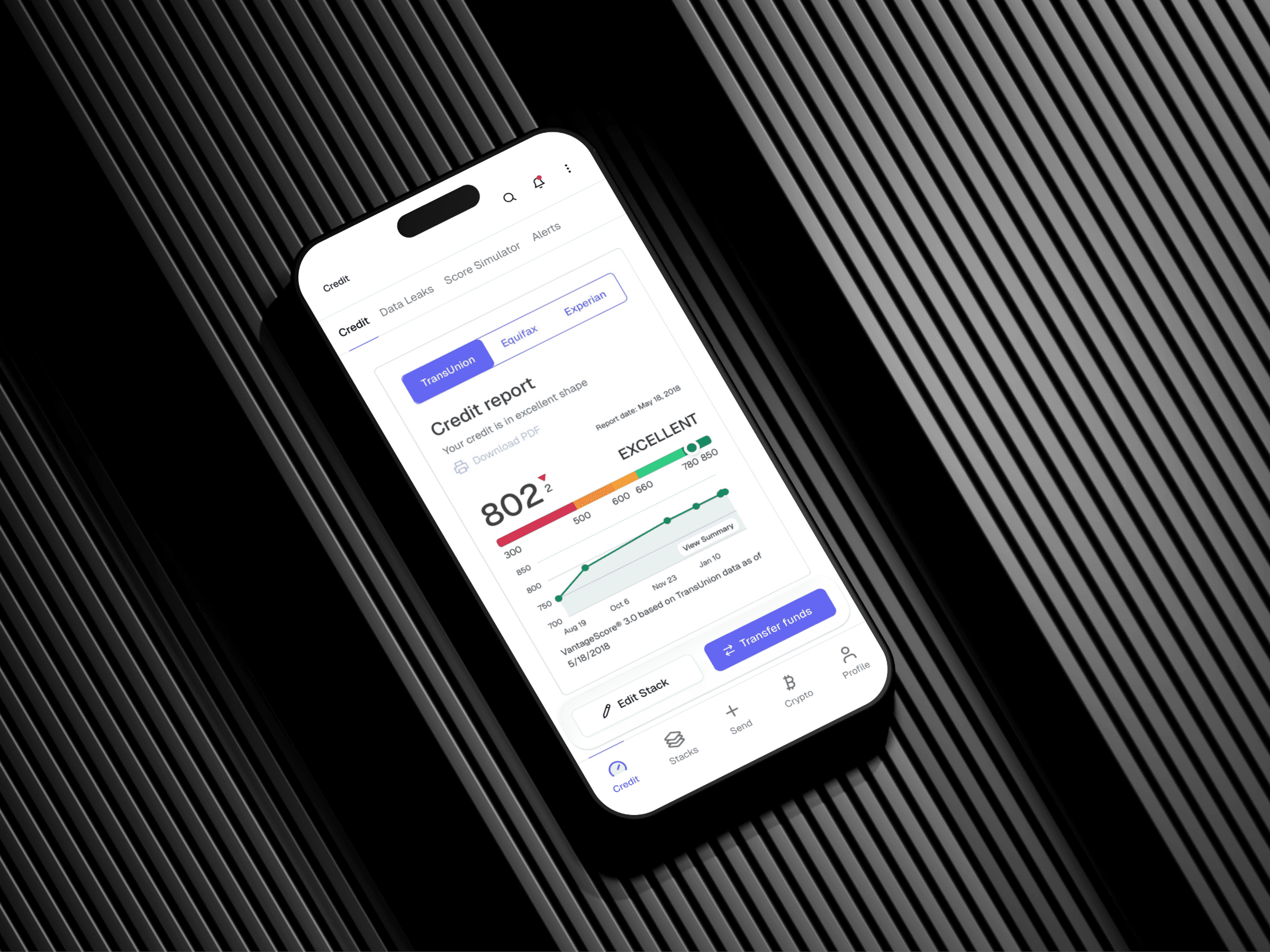
That may include accounts you do not recognize, inaccurate late payments, wrong balances, or other reporting mistakes. Reviewing your credit report can help you spot issues before they go unnoticed for too long.
Defaulted Accounts or Collections
Accounts that go into default or collections can be very damaging to your credit. These types of negative marks show that a debt was not handled as agreed and can stay on your report for a long time.
The best way to avoid this kind of damage is to act early if a payment problem starts building instead of waiting until the account becomes much harder to fix.
Why Small Habits Matter
A lot of credit damage does not come from one dramatic event. It often builds through small patterns over time, like carrying balances too long, missing a due date, or opening accounts too quickly.
That is why awareness matters. The more clearly you understand what hurts your credit score, the easier it becomes to make better decisions.
Final Thoughts
If you want to protect your credit score, focus on the habits that tend to cause the most damage. Missed payments, high balances, too many new applications, and ignored credit issues can all work against you. The good news is that once you know what to watch for, it becomes easier to avoid the mistakes that hurt your credit the most.
Comments
Other Articles